Trying to work out how much a wedding DJ costs in the UK can feel frustrating. Ask around and you’ll hear figures ranging from a couple of hundred pounds to well over a thousand — without much explanation for why the gap is so wide.
This guide gives you a realistic picture of wedding DJ prices, what’s typically included at different levels and how to make sense of the quotes you receive.
We use three broad categories as a starting point — budget (under £500), mid-range (around £500–£750) and premium or specialist (£750 to £2,000 or more) — and explain what each level might realistically mean in practice. From there, we cover the factors that cause quotes to vary so significantly, including travel, equipment and experience. There’s a dedicated section on London, where logistics alone can push costs higher, followed by practical ways to reduce spend without sacrificing reliability, and a checklist of questions worth asking any DJ before you commit.
Typical Wedding DJ Price Ranges in the UK
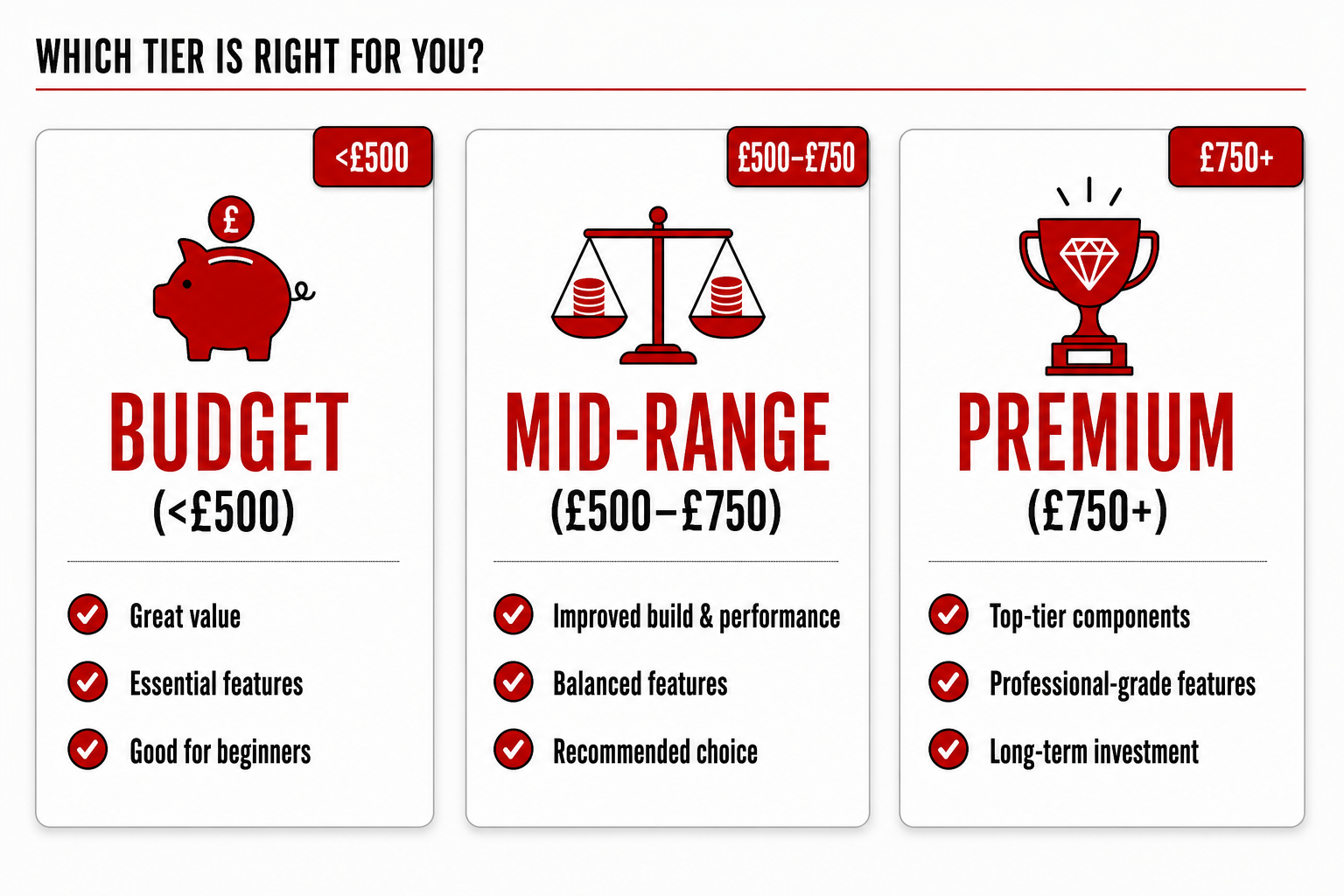
Wedding DJ rates in the UK broadly fall into three categories:
- Budget — under £500: Newer DJs building experience, very local DJs with low travel costs, or resident DJs supplied through a wedding venue. Can represent excellent value for the right couple.
- Mid-range — approximately £500–£750: A realistic average wedding DJ cost for an experienced local professional. Usually includes proper equipment, competent mixing and a pre-wedding consultation.
- Premium & specialist — £750 to £2,000+: DJs with strong reputations, specialist genre knowledge, premium production or significant travel requirements. Prices at this level can vary considerably depending on what’s involved.
These are guides rather than fixed rules. From working in the industry, £500–£750 is a fairly typical price range for a good local wedding DJ, though quotes shift significantly depending on location, experience and what’s included. In London and the South East, mid-range can start closer to £600–£900.
Budget Wedding DJs — Under £500
DJs charging under £500 certainly exist, and a lower price doesn’t automatically mean a poor service. There are several legitimate reasons a DJ might charge less.
Some are newer DJs building their reputation and pricing competitively to gain experience. Others may simply be very local, with minimal travel costs and a straightforward setup. Some wedding venues also have an established relationship with a resident DJ, offering their services at a reduced rate or including them within a wedding package — which can represent genuinely good value, particularly as a resident DJ will already know the venue well.
For couples primarily focused on keeping costs down and happy with a fairly conventional wedding playlist, this end of the market can work out very well. The key is knowing exactly what you’re getting. Before booking a budget DJ, confirm the following:
- Equipment: What speakers, lights and other kit are they bringing? Don’t assume anything is included.
- Travel: Are travel costs included, or will they be added to the quote?
- Timings: What time will they set up, and what time does their booking end?
- Contingency: What happens if they’re ill or unavailable on the day?
- Contract and deposit: Is there a written agreement in place?
A proper contract and a deposit aren’t just formalities — they confirm the booking is secure and offer reassurance on both sides.
Mid-Range Wedding DJs — Around £500–£750
For most couples, the £500–£750 range is where a reliable, experienced wedding DJ becomes genuinely accessible. This covers everything that’s actually needed at the majority of weddings.
At this level, couples should generally expect:
- A professional PA system suitable for the venue
- Dance floor lighting included as standard
- Competent mixing and smooth transitions between tracks
- Experience reading a crowd and adjusting accordingly
- Announcements and MC duties where required
- A pre-wedding consultation to discuss music, timings and preferences
A typical booking might cover four to six hours of performance time, with setup and pack-down either included or clearly outlined in the quote.
What separates a good DJ at this price point
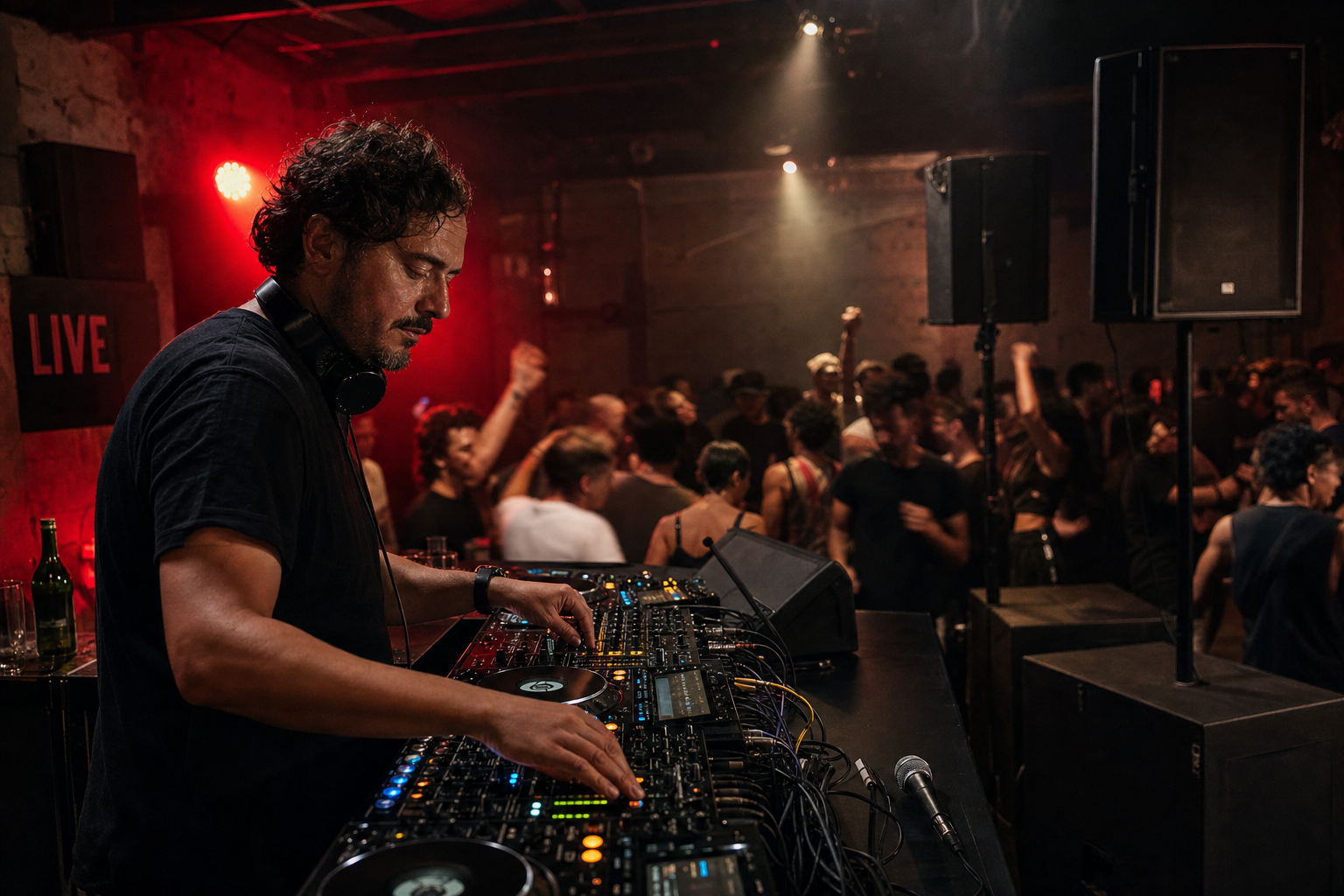
Technical ability matters, but crowd-reading is what genuinely sets a good DJ apart. A DJ shouldn’t simply work through a predetermined playlist regardless of how the room responds. They should balance the couple’s requests with what’s keeping people on the dancefloor, adapting as the night progresses.
This is broadly where our own local pricing sits at ALT DJ. We’re towards the higher end of that range, partly because of our specialist knowledge in alternative music — but for couples wanting a traditional disco, a DJ in this bracket will cover everything they need. If you’d like to discuss what’s included, contact ALT DJ for a straightforward conversation about your wedding.
Premium and Specialist Wedding DJs — £750–£2,000+
At the higher end of the market, wedding DJ rates can reach £750, £1,500, £2,000 or considerably more. Understanding what’s driving the price makes it easier to judge whether it represents good value for your wedding.
Higher fees can reflect:
- Reputation and demand — established DJs who are regularly booked may charge more simply because they can
- Specialist musical knowledge — deep expertise in a particular genre rather than a broad general library
- Premium equipment or production — more sophisticated sound, lighting or visual setups
- Travel and accommodation — significant long-distance work where the DJ may effectively lose one or more days to travel

That last point is worth expanding on. A high quote from a DJ travelling across the country doesn’t mean they’re overcharging for a few hours of work. It accounts for a day spent travelling to the wedding, the event itself, a substantial journey back and accommodation where required. The DJing hasn’t changed; the circumstances have.
Specialist knowledge can genuinely matter too. Couples wanting a significant amount of alternative, indie, rock, emo, pop-punk or metal often seek out DJs who know those genres properly rather than relying on a generalist with a broad playlist. That’s a different kind of service, and one couples regularly seek us out specifically to provide.
That said, a higher price is not a guarantee of quality. Always check reviews, ask what’s concretely included and confirm that the DJ’s style genuinely matches what you’re looking for.
Why Wedding DJ Quotes Vary So Much
Two quotes for the same date can differ by hundreds of pounds — and both might be entirely reasonable. The difference usually comes down to a combination of the following factors.
- Location and travel distance — A DJ based nearby has minimal travel costs. A DJ travelling several hours each way will factor in fuel, time lost to travel and potentially an overnight stay.
- Accommodation and travel days — For long-distance bookings, a DJ may need to arrive the night before. These extra days come at a real cost.
- Parking and venue access — Difficult venues with limited supplier parking, restricted access windows or awkward loading arrangements add time and complexity.
- Length of performance — Setup, the performance itself and pack-down all contribute to the DJ’s total time commitment. A longer set or an earlier setup call naturally increases the price.
- Equipment and production — A more comprehensive lighting rig, additional speakers or specialist equipment will be reflected in the quote.
- Experience, reputation and specialist knowledge — An in-demand DJ with a strong track record or deep genre expertise will typically charge more than a generalist.
- Pre-wedding preparation — Consultations, playlist planning, correspondence and travel research all take time that isn’t visible on the night.
- Date and demand — Peak dates such as summer Saturdays and bank holiday weekends are often priced higher simply because demand is greater.
- VAT — DJs registered for VAT will add 20% on top of their base rate, which can make a significant difference to the final figure when comparing quotes side by side.
A worked example
A DJ with a local rate of £750 might quote closer to £1,500 for a wedding several hours away. That additional £750 isn’t extra profit — it covers a day lost to travel, fuel, a night’s accommodation and associated logistics.
Always ask where a DJ is based and whether travel costs are included before comparing figures side by side.
London Wedding DJ Costs — Why Prices Can Be Higher
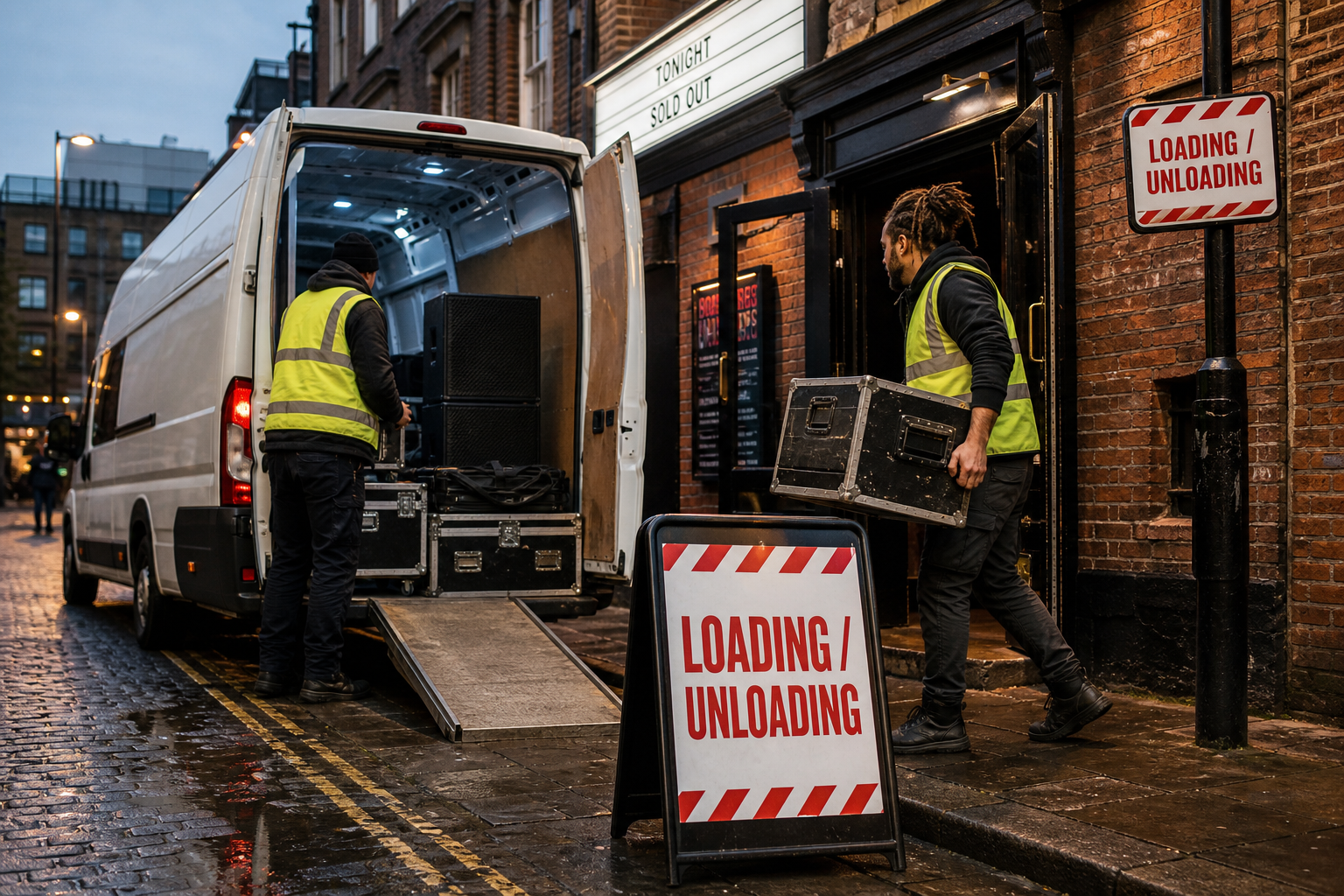
London wedding DJ costs can run noticeably higher than equivalent bookings elsewhere in the UK, and the reasons are largely logistical rather than simply a premium on the DJ’s time.
Getting a vehicle loaded with PA equipment, lighting and cables into central London is genuinely challenging. Congestion charges, ULEZ charges, limited parking and strict loading restrictions all add real costs before the DJ has even set up. Some venues require equipment to be brought in through a specific entrance within a narrow time window, which can add significant pressure and sometimes require additional crew.
When speaking to your venue, it’s worth asking:
- Is there dedicated supplier parking, or a loading bay nearby?
- What is the supplier entrance, and when can suppliers access the building?
- Are there road or zone charges around the venue that will affect suppliers?
Passing clear answers to your DJ early in the conversation means they can factor realistic logistics into their quote from the outset, rather than building in a buffer for unknowns.
How to Save Money on a Wedding DJ Without Cutting Corners
There are several straightforward ways to reduce what you spend without compromising on reliability, the right music or a DJ who can hold a room.
- Consider the venue’s resident or recommended DJ. Many venues have an existing relationship with a local DJ, which can mean lower travel costs and a DJ who already knows the space.
- Hire locally. A DJ based close to your venue will have minimal travel costs. Asking a DJ from across the country will almost always push the price up, even if their base rate looks similar.
- Check what the venue already provides. Some venues have a permanent PA system installed. If your DJ can connect to that rather than transport their own speakers, it may reduce the quote — but confirm the system is adequate and that the DJ is comfortable using it.
- Make logistics as easy as possible. If you can arrange free supplier parking, clear loading access and a reasonable setup window, a DJ may be able to reduce travel-related charges. Removing practical obstacles genuinely reduces cost.
- Be clear about timings upfront. Know what time you need the DJ to finish and stick to it. Unplanned overtime can add to the final bill.
- Avoid unnecessary add-ons. Extra lighting effects, photo-booth integrations or additional equipment may look appealing but add cost. Focus on what you’ll actually notice on the night.
- Confirm inclusions before booking. A lower headline price that excludes equipment or travel can easily end up costing more overall. Always compare like for like.
Questions to Ask Before Booking a Wedding DJ
Use this checklist during your initial call or email exchange. It makes it much easier to compare quotes fairly and avoid surprises later.
Equipment and setup
- What speakers and lighting do you provide?
- Does the venue need to supply anything, or are you fully self-contained?
Travel and costs
- Where are you travelling from?
- Are travel costs and accommodation included in your quote?
- Are parking and road charges — including congestion or ULEZ zones — covered?
Pricing
- Does your quoted price include VAT? Sole traders who aren’t VAT-registered will quote differently to larger suppliers who are, and the difference can be significant when comparing prices side by side.
On the day
- What time will you arrive to set up?
- What’s included if the event runs over?
Planning and contingency
- Do you offer a pre-wedding consultation?
- What happens if you’re unable to perform on the day?
Musical fit
- How familiar are you with the genres and artists we want?
- Can you share examples of similar weddings you’ve played?
How to Compare Wedding DJ Quotes Effectively
Headline price alone is a poor basis for comparison. Two quotes at similar rates can represent very different value once you account for what’s actually included.
When comparing quotes, check each one against these points:
- Hours covered, including setup and pack-down
- Equipment provided — speakers, lighting, cables
- Travel costs, and where the DJ is based
- Whether VAT is included
- Contingency arrangements if the DJ is unavailable
- Experience and musical specialism
A simple comparison can make this concrete:
| DJ A | DJ B | |
|---|---|---|
| Headline price | £700 | £950 |
| Travel included | No (+£150) | Yes |
| Equipment | Partial | Full |
| VAT included | No (+£140) | Yes |
| Effective total | ~£990 | £950 |
Beyond the numbers, read reviews, ask for references and listen to any recorded sets. A competitive headline price means little if the musical fit isn’t right.
There’s no single correct wedding DJ cost — the right figure depends on your priorities, whether that’s keeping to a tight budget, securing specialist musical knowledge or simply knowing you’ve booked someone reliable. What matters most is comparing like for like.
If you’re looking for a specialist alternative music DJ, contact ALT DJ to discuss your date and get a clear, itemised quote.